日常で使える簡単な英語の文:実践フレーズ200以上
英単語を2,000語知っていても、「How was your weekend?」と聞かれた瞬間に頭が真っ白になる——そんな経験はありませんか。問題は語彙量ではなく、実際の場面で使う「完成した文」を練習してこなかったことにあります。
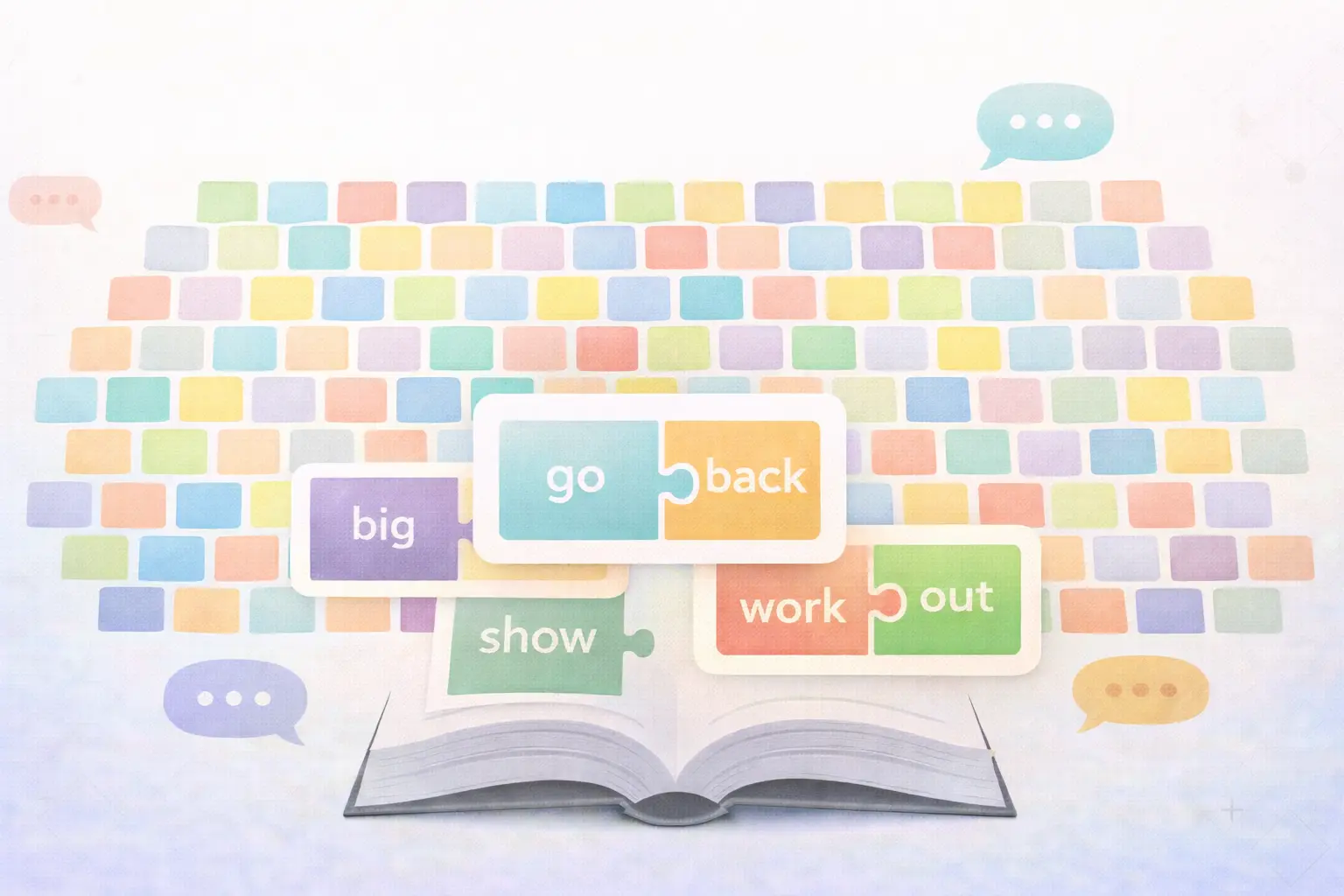
このガイドでは、日常生活のシーン別に200以上の簡単な英語の文をまとめました。各フレーズはそのまま使える形です。単語ばかりではなく、ひとかたまりのフレーズとして覚えるのが、実生活で英語を話し始める近道です。
- 収録フレーズ数: 200以上
- レベル: A1〜A2(初級・基礎)
- 向いている人: 日常会話、旅行、仕事の基本、スピーキングの自信づくり
なぜ「完成した文」から学ぶと伸びるのか
単語だけを勉強すると語彙は増えますが、コミュニケーションの型は身につきません。「Can I have the bill, please?」をひとつの塊として覚えておけば、会話の瞬間に文法や語順、前置詞を一から組み立てる必要がなく、そのまま口から出せます。
このやり方はチャンキング(塊で覚える)と呼ばれます。研究でも、フレーズや文単位で学ぶ学習者は、単語だけの学習と比べて会話に乗るまでがおよそ2〜3倍速いという報告があります。
あいさつと自己紹介
どの言語でも最初に必要になる表現です。
| Sentence | 使う場面 |
|---|---|
| Hello, how are you? | 定番のあいさつ。どんな場面でも使える |
| I am fine, thank you. And you? | 「How are you?」への定番の返し |
| Nice to meet you. | 初対面のとき |
| My name is… | 自己紹介で名前を言うとき |
| Where are you from? | 相手の出身国・都市を尋ねるとき |
| I am from… | 出身を答えるとき |
| What do you do? | 相手の仕事を尋ねるとき |
| I work as a… | 自分の仕事を答えるとき |
| How long have you been here? | どれくらいその土地にいるか尋ねるとき |
| It was nice talking to you. | 会話を丁寧に終えるとき |
| See you later! | カジュアルな別れのあいさつ |
| Have a good day! | 親しみやすい別れのあいさつ |
ヒント: 英語の「How are you?」は多くの場合、本気で体調を聞いているのではなくあいさつです。返答は「Fine, thanks」程度で十分で、一日の詳細な説明を求められているわけではありません。
レストラン・カフェ
食事や飲み物を注文するときに使う表現です。
| Sentence | 使う場面 |
|---|---|
| Can I see the menu, please? | 席についた直後 |
| I would like a coffee, please. | 飲み物を注文するとき |
| Can I have the chicken salad? | 料理を注文するとき |
| Is this dish spicy? | 注文前に味の確認をするとき |
| I am allergic to nuts. | アレルギーなど大事な健康情報を伝えるとき |
| Could we have some water? | テーブルに水を頼むとき |
| Can I have the bill, please? | 会計をしたいとき |
| Do you accept credit cards? | 支払い方法を確認するとき |
| Is the tip included? | チップが料金に含まれるか尋ねるとき |
| The food was delicious, thank you. | 食事をほめるとき |
| Could I get this to go? | 残りを持ち帰りにするとき |
| I would like to make a reservation. | 事前に席を予約するとき |
食べ物に関する語彙をもっと増やしたい方は、飲食の単語リストもあわせてどうぞ。
買い物とお金
店や市場で買い物をするときの文です。
| Sentence | 使う場面 |
|---|---|
| How much does this cost? | 値段を尋ねるとき |
| Do you have this in a different size? | 服のサイズを尋ねるとき |
| Can I try this on? | 試着室を使いたいとき |
| Where is the fitting room? | 試着室の場所を尋ねるとき |
| I am just looking, thanks. | 店員に声をかけられたが買う予定がないとき |
| Do you have this in blue? | 別の色があるか尋ねるとき |
| I will take this one. | これを買うと決めたとき |
| Can I get a receipt? | レシートが欲しいとき |
| Is this on sale? | セールかどうか尋ねるとき |
| Can I return this if it does not fit? | 返品ポリシーを確認するとき |
| Do you have anything cheaper? | もう少し安いものを探すとき |
| Where can I find the supermarket? | スーパーへの行き方を尋ねるとき |
道案内と旅行
英語圏を移動するときに使う表現です。
| Sentence | 使う場面 |
|---|---|
| Excuse me, where is the train station? | 場所を尋ねるとき |
| How do I get to the airport? | 行き方を尋ねるとき |
| Is it far from here? | 距離の感覚を尋ねるとき |
| Can you show me on the map? | 地図上で示してもらうとき |
| Turn left at the traffic lights. | 道案内をするとき(信号で左) |
| Go straight for two blocks. | 道案内をするとき(まっすぐ) |
| It is on the right side. | 物や場所が右側にあると伝えるとき |
| How long does it take to walk there? | 徒歩でどれくらいかかるか尋ねるとき |
| I need a taxi to the hotel. | タクシーを呼びたいとき |
| What time does the bus leave? | 公共交通の時刻を尋ねるとき |
| One ticket to the city center, please. | 乗車券を買うとき |
| Which platform does the train leave from? | 駅でホームを確認するとき |
| I am lost. Can you help me? | 道に迷ったとき |
次の旅行に向けて、旅行の語彙もチェックしてみてください。
仕事・学校
職場や教室で使えるシンプルな表現です。
| Sentence | 使う場面 |
|---|---|
| Good morning, everyone. | 同僚やクラスメイトへの朝のあいさつ |
| Could you repeat that, please? | 聞き取れなかった・理解できなかったとき |
| I have a question. | 会議や授業で質問の前に |
| Can you help me with this? | 手伝いを頼むとき |
| I will finish this by Friday. | 締め切りを約束するとき |
| Sorry, I am running late. | 遅刻しそうなとき |
| Let me check and get back to you. | 答えを調べてから返すとき |
| I agree with you. | 同意を示すとき |
| I see your point, but… | やんわり反対するとき |
| Could you send me that by email? | 情報をメールで送ってもらうとき |
| I need a day off on Monday. | 休暇を申請するとき |
| The meeting is at 3 PM in room 5. | 会議の時間・場所を伝えるとき |
| Thank you for your help. | 感謝を伝えるとき |
ビジネス英語の語彙を固めたい方は、仕事の単語リストも活用してください。
予定を立てる・誘う
友人や同僚と予定を組むときの文です。
| Sentence | 使う場面 |
|---|---|
| Are you free this weekend? | 相手の空きを確認するとき |
| Would you like to go for a coffee? | カジュアルに誘うとき |
| What time should we meet? | 待ち合わせの時間を決めるとき |
| Let us meet at the entrance. | 待ち合わせ場所を提案するとき |
| That sounds great! | 誘いを受けるとき |
| I am sorry, I cannot make it. | 丁寧に断るとき |
| Can we reschedule? | 日程変更を頼むとき |
| I will be there at 7. | 到着時刻を確約するとき |
| Should I bring anything? | 何か持参するか尋ねるとき |
| Let me know if the plan changes. | 予定変更を知らせてもらうとき |
| I am looking forward to it! | 予定への期待を表すとき |
意見や気持ちを伝える
考えや感情を短く伝える表現です。
| Sentence | 使う場面 |
|---|---|
| I think this is a good idea. | 肯定的な意見を述べるとき |
| I am not sure about that. | 疑いを示すとき |
| In my opinion, we should wait. | ややフォーマルに意見を言うとき |
| I feel happy today. | 気分を述べるとき |
| I am a little tired. | 疲れていると伝えるとき |
| That makes me worried. | 心配していると伝えるとき |
| I am really excited about this. | ワクワクしていると伝えるとき |
| I do not mind. | どちらでもよいとき |
| I would prefer the first option. | 選択肢の中から選ぶとき |
| I am sorry to hear that. | 悪い話を聞いたあとの返し |
| That is amazing! | 良い知らせへの反応 |
| I completely agree. | 強く同意するとき |
電話とメッセージ
電話やテキストで使う定番フレーズです。
| Sentence | 使う場面 |
|---|---|
| Hello, this is [your name] speaking. | フォーマルに電話に出るとき |
| Can I speak to [name], please? | 特定の人に代わってもらうとき |
| Sorry, you have the wrong number. | 番号違いの電話を受けたとき |
| Can you call me back later? | かけ直してもらうとき |
| I will text you the address. | 情報を送ると約束するとき |
| Sorry, I missed your call. | 不在着信に対して |
| The connection is bad. Can you hear me? | 電話の音が悪いとき |
| Let me check my schedule. | 電話で予定を確かめる前に |
| I will get back to you tomorrow. | 後日返事すると約束するとき |
| Thanks for calling! | 電話を丁寧に切るとき |
体調と緊急時
使わないに越したことはありませんが、知っておくべき表現です。
| Sentence | 使う場面 |
|---|---|
| I do not feel well. | 体調が悪いとき |
| I need to see a doctor. | 診察を受けたいとき |
| I have a headache. | 具体的な症状を伝えるとき |
| Where is the nearest pharmacy? | 薬局を探すとき |
| I am allergic to [something]. | アレルギーを伝えるとき |
| Please call an ambulance. | 緊急時 |
| Can you take me to the hospital? | 急いで病院へ行きたいとき |
| I take medication for [condition]. | 服薬中であることを伝えるとき |
| Is there a doctor who speaks [language]? | 自分の言語が話せる医師を探すとき |
| It hurts here. | 痛い場所を指し示すとき |
雑談と天気
誰とでも会話を始めやすい話題です。
| Sentence | 使う場面 |
|---|---|
| Nice weather today, is it not? | 天気の話から会話を始めるとき |
| It is really cold today. | その日の天気に触れるとき |
| Do you think it will rain? | 天気予報めいた話をするとき |
| Did you have a good weekend? | 月曜の朝などによく使う |
| Any plans for the weekend? | 金曜の午後などによく使う |
| I love this time of year. | 季節の話をするとき |
| Have you watched anything good recently? | ドラマや映画の話をするとき |
| How is your family? | さりげない個人的な質問 |
| I just got back from holiday. | 旅行の話をするとき |
| Traffic was terrible this morning. | よくある雑談のネタ |
これらの文をどう練習するか
一覧を一度読んだだけでは話せるようにはなりません。実際に身につけるための手順です。
1. 1日1シーンに絞る。 月曜はあいさつ、火曜はレストラン、水曜は買い物——いきなり全部は覚えない。
2. 各文を声に出して3回言う。 目で追うだけでなく、口の筋肉も使う。読むだけより、話すほうが別の記憶回路を使います。
3. ロールプレイする。 レストランにいるつもりで、「Can I see the menu?」から「Can I have the bill?」まで一連の流れを練習する。
4. 自分の声を録音する。 スマホで10文ほど録音し、聞き返す。ネイティブの発音(YouTubeなど)と比べるのも有効です。
5. 本番で使う。 カフェで英語で注文する、初対面で英語で自己紹介する——実際の使用が、文を自動的に言えるようにする最後の一押しです。
学習の全体像は、英語の語彙をステップで学ぶ方法のガイドも参照してください。

あわせて覚えたい語彙
上の文によく出てくる、実用的なA1〜A2レベルの単語を25語まとめました。単語をクリックすると意味・発音・例文が見られます。
experience
名詞
経験
例
- Her previous work experience made her an ideal candidate for the position.
- Traveling to different countries provides valuable cultural experience.
meeting
名詞
会議, 会合, 打ち合わせ
例
- The business meeting discussed budget plans for next fiscal year.
- Town meeting allows residents to voice concerns about local issues.
reply
名詞
返事, 回答
例
- Quick reply shows professional customer service quality.
- Written reply confirms agreement terms and conditions.
result
名詞
結果, 成績, 結末
例
- Election result surprises political analysts and voters.
- Test result shows significant improvement in performance.
create
動詞
創造する
例
- Artists create beautiful works that inspire and move people emotionally.
- The new policy will create opportunities for economic growth.
mention
動詞
言及する, 触れる
例
- Please mention my name when you call about job opening.
- The report fails to mention important environmental concerns.
describe
動詞
説明する, 描写する, 述べる
例
- Can you describe what the suspect looked like to police officers?
- The travel guide describes many interesting places to visit in Europe.
impact
名詞
衝撃, 影響
例
- Climate change has a significant impact on global weather patterns.
- The impact of the collision damaged both cars severely.
exam
名詞
試験, テスト
例
- Students study hard for weeks before taking their final exams.
- The driving exam tests both knowledge and practical skills behind wheel.
powerful
形容詞
強力な, 力強い
例
- Powerful computer processes data very quickly.
- Powerful speech moves audience to take action.
wonderful
形容詞
素晴らしい, すてきな
例
- The restaurant serves wonderful food with excellent service.
- We had a wonderful time at the beach during summer vacation.
confident
形容詞
自信がある
例
- She felt confident about passing the difficult examination successfully.
- The confident speaker delivered an inspiring presentation to the audience.
favor
名詞
好意, 援助, 賛意
例
- Could you do me a favor and pick up my dry cleaning?
- The proposal gained favor among the committee members after lengthy discussion.
ambition
名詞
野望, 野心
例
- Her ambition is to become a successful doctor and help people worldwide.
- Sometimes ambition can drive people to work too hard and neglect family.
tourist
名詞
観光客, ツーリスト
例
- Foreign tourist visits famous landmarks and museums.
- Tourist season brings economic benefits to region.
student
名詞
学生, 生徒
例
- Diligent student completes homework assignments on time.
- Graduate student conducts research for doctoral degree.
relaxed
形容詞
リラックスした, くつろいだ
例
- Relaxed atmosphere encourages open discussion among participants.
- Relaxed person handles pressure situations more effectively.
hot
形容詞
熱い, 暑い
例
- Summer weather is extremely hot in desert regions around the world.
- The coffee is too hot to drink right now - let it cool down.
cool
動詞
冷やす, 冷める
orange
名詞
オレンジ, みかん
例
- Fresh orange juice contains vitamin C and natural sugar.
- The sunset painted sky in beautiful shades of orange.
meat
名詞
肉
例
- Fresh meat should be stored in refrigerator for food safety.
- Vegetarians choose not to eat meat for ethical reasons.
football
名詞
サッカー, フットボール
例
- Football is the most popular sport in many countries around the world.
- The children play football in the school yard during their lunch break.
名詞
郵便, メール
例
- Check mail every day for important bills and official documents.
- Electronic mail has largely replaced traditional postal letters today.
father
名詞
父
例
- His father taught him how to ride a bicycle in the park.
- The young father proudly carried his baby daughter in his arms.
rush
名詞
急ぎ, 突進
例
- Last-minute rush creates stress and mistakes often.
- Morning rush causes traffic jams in city.
簡単な文でついやりがちな間違い
1. 日本語から語単位で直訳する。 英語は主語+動詞+目的語(SVO)の語順です。日本語のように「コーヒーが好き」をそのまま並べると不自然になりがちです。「I like coffee」のように、完成した文のかたまりとして覚えると直訳ミスを減らせます。
2. 「please」「thank you」を忘れる。 英語圏では丁寧語が会話の前提に近く、省略するときつく聞こえることがあります。日本語のように文脈だけで丁寧さが伝わるわけではない点に注意してください。「Can I have a coffee」だけより、「Can I have a coffee, please?」のほうが自然です。
3. 「I want」ばかり使う。 文法的には正しくても、場面によってはぶっきらぼうに聞こえます。注文などでは「I would like」のほうが無難なことが多いです。
4. 短縮形を使わない。 話し言葉では「I’m」「don’t」「I’d」などが普通です。会話で常に「I am」「do not」のフル形だけだと、やや堅い・読み上げている印象になります。
5. 話す前に文法を完璧にしようとしすぎる。 初級では、伝わることが最優先です。「Yesterday I go to store」でも、多くの場面で意味は通じます。完璧な文法は練習でついてきます。まずはメッセージを出すことを優先しましょう。
補足(日本語話者向け): 英語にはa / theのような冠詞があり、日本語にない概念です。名詞の前で迷ったら、まずはリストの文をそのまま暗記して口に出すことから始めると負担が少なくなります。
次のステップ
-
自分のレベルから。 これらの文を支える単語を固めるには、A2(初級)の語彙リストが役立ちます。
-
一段上へ。 ここに載っている文が楽に言えるようになったら、B1(中級)の語彙で会話を広げてみましょう。
-
語彙の仕組みを作る。 この記事の文は出発点にすぎません。長期的な語彙力には、語彙力を上げる10の方法も参考にしてください。
よくある質問
日常英会話に、最低限どれくらいの英語の文が必要?
あいさつ、注文、買い物、道案内、雑談などをカバーするには、だいたい100〜150文あれば足りることが多いです。この記事の200以上は、日常生活で出くわしやすい場面に余裕を持たせたボリュームです。
英語の文を覚えるのに一番ラクな方法は?
シーンごとにまとめて覚えるのがおすすめです。1日1シーン(レストラン、買い物、旅行など)を決め、その場面の文を10〜12個、声に出してロールプレイし、できるだけ早く実際の場で使ってみてください。状況と結びついた文は、バラバラのフレーズよりずっと定着しやすいです。
IELTSスピーキングで、この記事の文は使える?
レベルはA1〜A2相当で、バンド4〜5程度の土台づくりには向いていますが、バンド6以上を目指すには、より複雑な語彙や文構造が必要です。まず自信づくりに使い、試験向けにはIELTS語彙の完全ガイドでレベルアップするのがおすすめです。
英語の初級フレーズを身につけるのに、どれくらいかかる?
1日10〜15文を学び、必ず声に出して練習すれば、200文を2〜3週間程度で覚えられる人もいます。ただし「暗記した」と「口が勝手に動く」は別です。1〜2か月、定期的に話す練習を続けると、実際の会話でも自然に出てくるようになりやすいです。
簡単な文の次に何を学べばいい?
基本の文に慣れたら、(1) 語彙の拡張(同じ場面でもっと言い回しを増やす)、(2) 文法の強化(過去形、疑問文、条件文など)、(3) 少し長い返答(1文ではなく2〜3文で答える練習)の3つが次のステップです。流れの詳しい説明は、英語の語彙をステップで学ぶ方法で確認できます。