
よく使う英語イディオム20選:意味と例文
イディオムは、個々の単語を文字どおりに足しても本当の意味にならない表現です。最初から何百個も覚える必要はありません。この20個は、会話、映画、ポッドキャスト、日常のメッセージを理解するための実用的な出発点です。
- レベル: A2–B1
- リスト数: よく使う20のイディオム
- 対象: 自然な日常英語を理解したい学習者
- 学習目標: 意味を知り、場面に気づき、一つのイディオムを自然に使う
まずは実際に耳にしやすい表現から始めましょう。より広い一覧は100の英語イディオムと、完全版の英語イディオムガイドで確認できます。
日常の場面
| イディオム | 意味 | 例文 |
|---|---|---|
| a piece of cake | とても簡単なこと | The homework was a piece of cake. |
| break the ice | 最初の緊張をほぐす | She told a joke to break the ice. |
| call it a day | 今日の作業や活動を終える | We have finished enough. Let’s call it a day. |
| give it a shot | 試してみる | I have never cooked Thai food, but I’ll give it a shot. |
| under the weather | 少し具合が悪い | I’m a little under the weather today. |
イディオムは場面に合う時だけ使いましょう。A piece of cake は親しみのあるカジュアルな表現です。友人、クラスメート、親しい同僚には合いますが、すべての正式なレポートには向きません。
文脈の中でイディオムを見分ける方法
イディオムは、単語を一つずつ直訳すると不思議に聞こえることがあります。簡単な問いを一つ使いましょう。この状況で文字どおりの絵は意味を成しますか。誰かが面接前に “I have butterflies in my stomach” と言う時、虫の話をしているわけではありません。面接、テスト、初対面といった周りの状況から、緊張していることが分かります。
知らないフレーズに出会ったら、まず話し手の反応を聞きましょう。喜んでいますか、いらだっていますか、誰かを励ましていますか、それとも問題を説明していますか。調子と文脈は、逐語訳より多くを教えてくれます。その後、信頼できる辞書でフレーズ全体を確認するか、例文ごとLinglifyに保存します。
イディオムと直接的な言い換え
直接的な言い換えを知っていると、適切な文体を選べます。イディオムがカジュアルすぎる時でも、意味を明確に保てます。
| イディオム | 直接的な言い換え | 直接的な表現が役立つ場面 |
|---|---|---|
| give it a shot | try it | 正式なメールやレポート |
| get the ball rolling | begin the project | 正式な会議メモ |
| on the same page | have the same understanding | 指示や契約書 |
| go the extra mile | make extra effort | フォーマルなフィードバック |
| the last straw | the final problem | 苦情を落ち着いて説明する時 |
これはイディオムが間違いという意味ではありません。親しい会話では自然で温かく響きます。状況に応じて直接的なフレーズへ切り替えられることが大切です。
仕事、勉強、決断
| イディオム | 意味 | 例文 |
|---|---|---|
| get the ball rolling | 活動や過程を始める | Let’s get the ball rolling on the presentation. |
| on the same page | 同じ理解を共有している | Let’s check that we are on the same page. |
| hit the nail on the head | 的確に本質を言い当てる | You hit the nail on the head — that is the real issue. |
| back to square one | 失敗後に最初に戻る | The file was lost, so we are back to square one. |
| learn the ropes | 仕事や活動のやり方を覚える | It takes time to learn the ropes in a new role. |
これらはカジュアルな職場会話でよく使われますが、相手を考えましょう。正式なメールでは “Let’s begin the project” のような直接的な文の方が、 “Let’s get the ball rolling” より安全です。
気持ちと人間関係
| イディオム | 意味 | 例文 |
|---|---|---|
| on cloud nine | とても幸せである | She was on cloud nine after the good news. |
| butterflies in your stomach | 大事な前の緊張と高揚 | I had butterflies in my stomach before the interview. |
| get cold feet | 怖くなって続けたくなくなる | He got cold feet before the speech. |
| spill the beans | 秘密を漏らす | Who spilled the beans about the surprise? |
| speak your mind | 本当に思っていることを言う | You can speak your mind in the discussion. |
遊び心のあるイディオムでも、強く響くことがあります。Spill the beans はサプライズパーティーには合いますが、仕事上の機密情報についてはカジュアルすぎるかもしれません。
時間、励まし、コミュニケーション
| イディオム | 意味 | 例文 |
|---|---|---|
| keep someone in the loop | 誰かに最新情報を伝え続ける | Please keep me in the loop about the schedule. |
| once in a blue moon | めったにない | We eat out once in a blue moon. |
| hang in there | 困難でも頑張り続ける | Hang in there — your English is improving. |
| go the extra mile | 期待以上に努力する | Our tutor always goes the extra mile. |
| the last straw | 我慢の限界にする最後の問題 | The missed deadline was the last straw. |
表現全体を、その調子も含めて覚えましょう。Hang in there は温かい励ましで、the last straw はいらだちを表します。適切なイディオムを選ぶと、起きたことだけでなく気持ちも伝わります。
実際のやり取りでイディオムを聞く
イディオムを読むことはよい出発点ですが、短いやり取りを見ると、人が実際にどう応答するかが分かります。
難しい課題の後
- A: Was the presentation hard?
- B: At first, yes, but after some practice it was a piece of cake.
- A: Great — you really went the extra mile.
予定が変わった時
- A: The restaurant is closed, and the bus is late.
- B: That is frustrating. Do you want to call it a day?
- A: Not yet. Let’s give another place a shot.
答えにはイディオムがたくさん入っていないことに注意してください。自然な表現は一つで十分なことが多いです。すべての文に入れると、会話が暗記したように聞こえるかもしれません。
直訳せずにイディオムを覚える方法
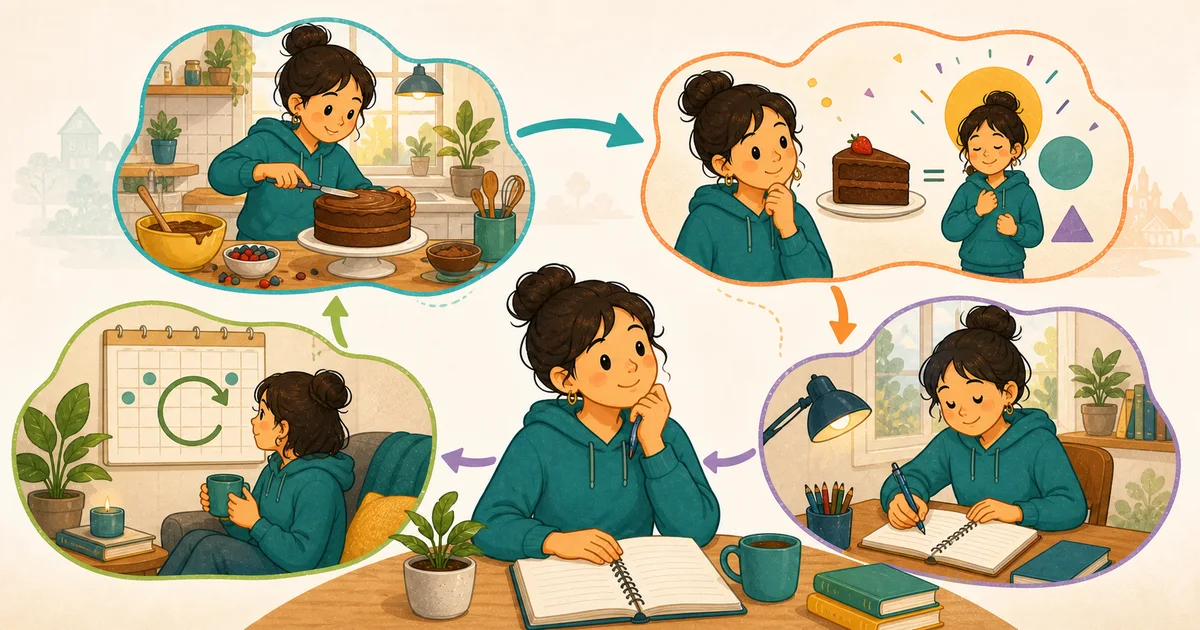
イディオムは直訳より、小さな場面として覚える方が簡単です。
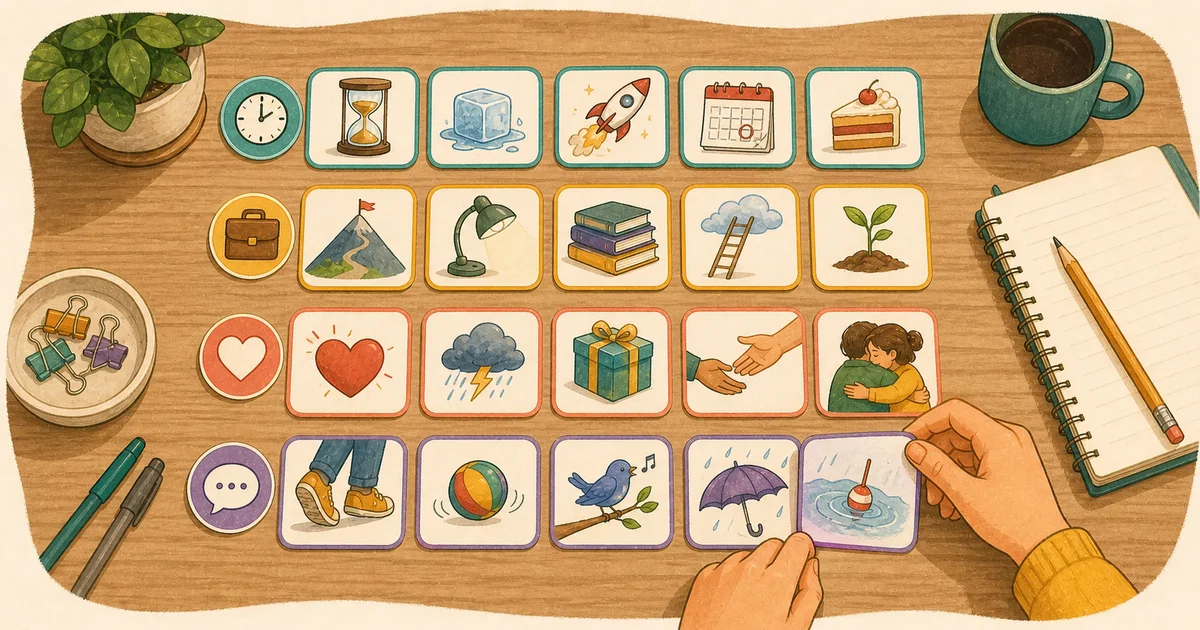
- 場面を思い浮かべる。 難しかった課題が a piece of cake になった様子を想像します。
- 元のフレーズを保つ。 単語を文字どおりの別の語に置き換えません。
- 本当の文脈を一つ書く。 “I got cold feet before my first online class.”
- 文体に気づく。 親しみがあるか、カジュアルか、ユーモラスか、強すぎるかを考えます。
例文とテーマ別グループをもっと見るなら、200以上のイディオム例を使ってください。認識するだけの長いリストより、よく理解した少数のイディオムの方が役立ちます。
イディオムでよくある間違い
- 決まった単語を変える。 in cloud nine ではなく on cloud nine と言います。表現全体を覚えましょう。
- 調子が合わない場面で使う。 Spill the beans は遊び心のある表現で、機密情報についての真剣な話には合わないかもしれません。
- 母語のイディオムを直訳する。 意味は通じても、英語として自然ではないことがあります。
- 新しいイディオムをすべて無理に使う。 まず認識できるようにし、その後、一つの気楽で適切な会話やメッセージで試しましょう。
練習する語彙
これらの役立つ単語をLinglifyに保存し、自分の短い例を作りましょう。イディオムの周りにある語を復習することも、それが合う場面を覚える助けになります。
boom
名詞
急増, ブーム, 爆発
例
- The boom of thunder echoed across the valley.
- The technology boom created many new millionaires.
cooperate
動詞
協力する, 協働する
evaluate
動詞
評価する, 査定する
例
- Companies evaluate job candidates based on experience, skills, and personality.
- Teachers evaluate student progress through tests, projects, and classroom participation.
graduate
動詞
卒業する
例
- She will graduate from university next year with a degree in engineering.
- Students must complete all requirements before they can graduate from high school.
horizon
名詞
地平線
例
- The sun disappeared behind the horizon as evening approached.
- Traveling broadens your horizon and exposes you to new cultures.
indispensable
形容詞
不可欠な
例
- Clean water is indispensable for human survival and good health.
- Her experience and skills make her indispensable to the research team.
jury
名詞
陪審団, 陪審
例
- The jury deliberated for several hours before reaching a verdict.
- The talent show jury consisted of professional musicians and entertainers.
lifelong
形容詞
一生の, 生涯の
例
- Learning is a lifelong process that never truly ends.
- Their lifelong friendship began during elementary school years.
motivated
形容詞
やる気のある
例
- Motivated employee seeks additional responsibilities and challenges at work.
- Success requires being motivated even when facing difficult obstacles.
normally
副詞
通常は, 普通は, ふつうは
例
- Heart normally beats between sixty and hundred times per minute.
- Students normally arrive at school before morning bell rings.
off
副詞
離れて, 切れて, 休みの
例
- Please turn off the lights before leaving the room.
- The dog ran off into the forest chasing wild rabbits.
prejudice
名詞
偏見, 先入観, 差別
例
- Education helps overcome prejudice and promotes understanding.
- Racial prejudice damages communities and individuals alike.
resolve
動詞
解決する, 決意する
例
- Mediator helps parties resolve dispute through negotiation.
- Technical team will resolve software problems quickly.
stress
動詞
強調する, 緊張させる
例
- Heavy workload may stress employees beyond limits.
- Teacher will stress importance of homework completion.
total
形容詞
全体の, 総合的な, 完全な
例
- Total cost includes all fees and expenses.
- Total silence fills room during meditation session.
tragedy
名詞
悲劇
例
- Natural tragedy affects thousands of innocent people.
- Personal tragedy changes person's life perspective completely.
union
名詞
連合, 結合, 協会
例
- Labor union protects worker rights and interests.
- Marriage union joins two people in partnership.
voyage
名詞
航海, 旅行
例
- Space exploration represents humanity's greatest voyage into the unknown.
- The ocean voyage from Europe to America took several weeks in the past.
candidate
名詞
候補者, 志願者
例
- Each presidential candidate presented their policy plans to voters.
- The job candidate impressed the interview panel with her experience.
discourage
動詞
落胆させる, 思いとどまらせる, 意欲をなくさせる
例
- Don't let one failure discourage you from pursuing your dreams.
- High prices discourage many people from buying organic food products.
donate
動詞
寄付する
例
- Many people donate money to charities that help homeless individuals.
- She decided to donate blood to help patients in emergency situations.
firmly
副詞
しっかりと, 堅く
例
- Hold the rope firmly while climbing down the steep mountain slope.
- The manager firmly believed in treating all employees with respect.
guide
動詞
案内する
例
- Parents should guide their children to make responsible decisions.
- The experienced hiker will guide the group through the mountain trail safely.
humorous
形容詞
ユーモラスな, 面白い, 滑稽な
例
- She writes humorous articles about everyday life and family experiences.
- The humorous speech made everyone laugh and lightened the serious mood.
admission
名詞
入場, 入学, 認めること
例
- Her admission to the prestigious medical school was the result of hard work.
- The museum offers free admission on the first Sunday of every month.
次にすること
- このページから五つのイディオムを選び、それぞれで自分についての文を作ります。
- 表現に慣れたら、100のよく使うイディオムへ進みます。
- B1ライブラリで日常語彙を学びます。
- 好きなイディオムをLinglifyに加え、週の後半にもう一度復習します。
FAQ
最初に学びやすいイディオムは何ですか?
a piece of cake、give it a shot、under the weather のように、日常の場面で使えるものから始めましょう。よく出会い、場面も想像しやすい表現です。
正式な英語でイディオムを使えますか?
親しみのある仕事上の会話に使われるものもありますが、正式な文章では直接的な表現の方がよいことが多いです。迷ったら、イディオムではなく明確な文字どおりのフレーズを選びましょう。
一週間にいくつのイディオムを学べばよいですか?
三〜五個が現実的な目標です。それぞれを場面と自分の文と一緒に学び、新しいものを加える前に復習してください。
なぜイディオムを一語ずつ訳してはいけないのですか?
文字どおりの単語では本当の意味を説明できないことが多いためです。状況、調子、例文と結びついた一つのまとまりとして覚えましょう。