

낯선 영어 단어: 뜻, 예문, 자연스러운 쓰임
낯선 영어 단어 때문에 글이 어렵게 느껴질 수 있지만, 처음 생각하는 것보다 유용한 경우가 많습니다. feasible, nuanced, substantial 같은 단어를 사용하면 정확한 생각을 간결하게 표현할 수 있습니다. 그저 있어 보이려고 어려운 단어를 쓰는 것이 목표는 아닙니다. 읽을 때 뜻을 이해하고, 가장 정확한 표현이 필요할 때 활용하는 것이 중요합니다.
이 가이드에서는 B2 상급부터 C1, C2 수준까지의 학습자를 위해 실용적인 고급 어휘를 소개합니다. 실제 의사소통에서는 생각을 평가하고, 변화를 설명하며, 근거를 논하고, 신중하게 제안하는 등 기능에 따라 단어를 사용하므로 각 단어를 기능별로 묶었습니다. C1 어휘 라이브러리에 소량의 단어를 추가해 문맥 속에서 연습해 보세요.
- 수준: 중상급~고급(B2–C2)
- 중점: 토론, 읽기, 쓰기, 업무에서 쓰는 정확한 표현
- 추천 대상: 기사, 수업, 업무 메시지에서 낯선 단어를 접하는 학습자
- 학습 목표: 단어의 뜻, 자주 함께 쓰이는 표현, 알맞은 사용 상황 익히기
어려운 철자, 발음, 뜻을 폭넓게 참고하려면 어려운 영어 단어를 확인하세요. 이 글에서는 명확한 의사소통 기능을 하는 유용한 낯선 단어에 초점을 둡니다.
배울 가치가 있는 단어란?
낯선 단어가 다음 세 가지 조건에 맞으면 익힐 가치가 있습니다. 첫째, 신뢰할 만한 읽기 자료나 듣기 자료에서 반복해서 만납니다. 둘째, 기초 영어 표현보다 더 정확하게 의미를 전달합니다. 셋째, 실제로 사용할 만한 문장을 떠올릴 수 있습니다.
예를 들어 important도 유용하지만 substantial을 쓰면 양이나 변화, 효과가 크고 의미 있다는 점까지 전달할 수 있습니다. Different도 쓸모 있지만 ambiguous는 어떤 것에 여러 가지 해석이 가능하다는 뜻을 더 정확히 나타냅니다. 이런 표현은 단순히 꾸미기 위한 말이 아니라 메시지 자체를 바꿉니다.
단어를 실제로 사용할 어휘 목록에 추가하기 전에 다음을 질문해 보세요:
- 이 단어는 어떤 질문에 답하나요?
- 보통 어떤 명사, 동사, 전치사와 함께 쓰이나요?
- 대화에서 자주 쓰이나요, 격식 있는 글에서 쓰이나요, 아니면 둘 다인가요?
- 내 일, 공부, 관심사에 관해 실제로 쓸 수 있는 문장을 만들 수 있나요?
마지막 질문이 중요합니다. 모든 고급 단어를 편한 대화에 억지로 넣을 필요는 없습니다. 희귀성보다 정확성과 문체가 더 중요합니다.
명확한 사고와 신중한 평가를 위한 단어
생각을 단순히 “good”, “bad”, “unclear”라고 하는 것만으로 부족할 때 다음 단어를 활용하세요.
| 단어 | 뜻 | 자연스러운 표현 | 예문 |
|---|---|---|---|
| ambiguous | 두 가지 이상의 의미로 해석될 수 있는 | an ambiguous answer | Her answer was ambiguous, so we asked for clarification. |
| compelling | 매우 설득력 있거나 흥미로운 | compelling evidence | The report provides compelling evidence for change. |
| concise | 짧지만 내용이 빠짐없는 | a concise summary | Please give a concise summary of the issue. |
| detrimental | 해를 끼치는 | detrimental effect | Lack of sleep can have a detrimental effect on memory. |
| feasible | 가능하고 실현 가능한 | a feasible solution | We need a solution that is feasible within our budget. |
| inevitable | 피할 수 없이 일어나는 | an inevitable result | Some delays were inevitable during the move. |
| nuanced | 작지만 중요한 차이를 드러내는 | a nuanced view | The article gives a nuanced view of the problem. |
| plausible | 합리적이거나 가능성이 있어 보이는 | a plausible explanation | That is a plausible explanation, but we need more data. |
| substantial | 크기·양·중요성이 상당한 | substantial progress | The team made substantial progress this month. |
| tentative | 아직 확정되지 않거나 불확실한 | a tentative plan | We have a tentative plan for next week. |
| viable | 성공적으로 실행될 수 있는 | a viable option | Remote training is a viable option for this group. |
| worthwhile | 노력을 들일 만큼 유용하거나 가치 있는 | a worthwhile investment | Learning the system is a worthwhile investment of time. |
Plausible과 true의 차이는 중요합니다. 그럴듯한 설명은 합리적으로 들릴 수 있지만 여전히 근거가 필요합니다. 자신이 아는 바를 신중하게 표현할 때 plausible을 사용하세요.
변화·원인·결과를 설명하는 단어
이 동사들은 설명을 더 정확하게 만들어 줍니다. 뉴스 기사, 보고서, 강의, 신중한 대화에서 자주 쓰입니다.
| 단어 | 뜻 | 자연스러운 표현 | 예문 |
|---|---|---|---|
| alleviate | 문제를 덜 심각하게 만들다 | alleviate pressure | A clearer process could alleviate pressure on staff. |
| exacerbate | 문제를 더 악화시키다 | exacerbate a problem | Poor communication may exacerbate the conflict. |
| facilitate | 무언가를 더 쉽게 만들다 | facilitate learning | Short reviews facilitate long-term learning. |
| hinder | 진행을 어렵게 만들다 | hinder progress | Technical problems hindered the presentation. |
| mitigate | 무언가의 해로운 영향을 줄이다 | mitigate risk | The backup plan will mitigate the risk. |
| prompt | 누군가가 어떤 행동을 하도록 유도하다 | prompt a response | The message prompted an immediate response. |
| reinforce | 생각이나 감정을 더 강하게 만들다 | reinforce a point | The example reinforces the main point. |
| trigger | 무언가가 시작되게 하다 | trigger a change | The update triggered several questions. |
| undermine | 무언가를 점차 약화시키다 | undermine confidence | Repeated errors can undermine trust. |
| yield | 결과를 내다 | yield results | The new approach has yielded positive results. |
이 단어들을 완전히 같은 뜻으로 취급하지 마세요. Alleviate와 mitigate는 모두 해를 줄인다는 뜻이지만, alleviate는 문제로부터의 부담을 덜어 주는 데 초점을 두는 경우가 많고 mitigate는 위험이나 부정적 영향을 줄인다는 뜻으로 자주 쓰입니다. 사전적 정의뿐 아니라 함께 쓰이는 표현도 익히세요.
근거·연구·설명을 위한 단어
생각이 얼마나 확실한지 설명해야 할 때 고급 어휘가 특히 유용합니다. 다음 단어를 사용하면 지나치게 모호하거나 단정적으로 들리는 일을 피할 수 있습니다.
| 단어 | 뜻 | 자연스러운 표현 | 예문 |
|---|---|---|---|
| coherent | 명확하고 논리적으로 잘 연결된 | a coherent argument | Your argument is coherent and easy to follow. |
| discern | 쉽게 보이지 않는 것을 알아차리거나 구별하다 | discern a pattern | It is hard to discern a pattern from one example. |
| explicit | 명확하고 직접적으로 표현된 | explicit instructions | The guide gives explicit instructions for each step. |
| inherent | 무언가에 본래부터 내재한 | inherent risk | There is an inherent risk in any investment. |
| meticulous | 세부 사항까지 매우 꼼꼼한 | meticulous research | Her meticulous research improved the final report. |
| pervasive | 여러 곳에 널리 퍼져 있는 | a pervasive problem | Misinformation is a pervasive problem online. |
| prevalent | 특정 시기나 장소에서 흔한 | a prevalent view | This is a prevalent view among new users. |
| rigorous | 신중하고 철저하며 정확한 | rigorous testing | The product needs rigorous testing before release. |
| substantiate | 근거를 들어 주장을 뒷받침하다 | substantiate a claim | Can you substantiate that claim with a source? |
| valid | 타당한 논리나 사실에 근거한 | a valid concern | That is a valid concern, and we should address it. |
학술적 글이나 업무 문서에서는 주장을 제시하고, 필요하면 단서를 붙이며, 근거를 제시한 뒤 결과를 설명하는 순서가 유용합니다. 예를 들면 “The concern is valid. The survey data substantiate it, although the sample is limited.”라고 쓸 수 있습니다.
결정·변화·가능성을 위한 단어
선택지를 비교하거나 계획을 세울 때 이 단어들이 유용합니다. “things changed a lot”처럼 모호한 표현을 쓰지 않고 과정을 설명하도록 도와줍니다.
| 단어 | 뜻 | 자연스러운 표현 | 예문 |
|---|---|---|---|
| adapt | 새로운 상황에 맞게 바꾸다 | adapt to change | Small businesses must adapt to changing demand. |
| contingent | 다른 조건에 달려 있는 | contingent on approval | The launch is contingent on final approval. |
| elusive | 찾거나 달성하거나 이해하기 어려운 | an elusive goal | A perfect balance can be elusive. |
| obsolete | 더 나은 것이 생겨 더 이상 사용되지 않는 | obsolete technology | The company replaced obsolete equipment. |
| pragmatic | 실용적이고 현실적인 | a pragmatic approach | We need a pragmatic approach, not a perfect one. |
| resilient | 어려움을 겪은 뒤에도 회복할 수 있는 | a resilient system | We need a more resilient system for busy periods. |
| sustainable | 오랫동안 지속할 수 있는 | sustainable growth | The plan must support sustainable growth. |
| versatile | 여러 방식으로 유용한 | a versatile tool | A notebook is a versatile tool for study. |
| voluntary | 자발적으로 선택해 하는 | voluntary participation | Participation in the survey is voluntary. |
| widespread | 여러 곳이나 많은 사람에게 널리 퍼진 | widespread support | The proposal received widespread support. |
Feasible, viable, pragmatic은 함께 등장하는 경우가 많지만 서로 다른 질문에 답합니다. 가능하고 실용적인가요? 그렇다면 feasible입니다. 시간이 지나도 효과가 있나요? 그렇다면 viable입니다. 실제 상황에서 합리적인가요? 그렇다면 pragmatic입니다.
토론과 업무 의사소통을 위한 단어
이 단어들은 말과 글을 더 정중하고 외교적으로 만들어 줍니다. 생각을 제시하고, 한계를 인정하고, 상대방에게 뜻을 명확히 해 달라고 요청할 때 활용하세요.
| 단어 | 뜻 | 자연스러운 표현 | 예문 |
|---|---|---|---|
| acknowledge | 어떤 사실을 인정하다 | acknowledge a limitation | We should acknowledge the limitations of the data. |
| articulate | 생각을 명확하게 표현하다 | articulate a concern | He articulated his concern calmly. |
| clarify | 무언가를 더 쉽게 이해할 수 있게 하다 | clarify a point | Could you clarify what you mean by “urgent”? |
| concede | 어떤 사실을 인정하다 | concede that | I concede that the first option is faster. |
| elaborate | 더 자세히 설명하다 | elaborate on an idea | Could you elaborate on that suggestion? |
| emphasise | 특히 중요하다는 점을 강조하다 | emphasise the need | The speaker emphasised the need for patience. |
| negotiate | 합의에 이르기 위해 논의하다 | negotiate terms | They are negotiating the contract terms. |
| perspective | 무언가를 바라보는 특정한 관점 | from a different perspective | Try to view the issue from the customer’s perspective. |
| relevant | 해당 주제와 관련된 | relevant experience | Please include only relevant experience. |
| transparent | 공개적이고 이해하기 쉬운 | a transparent process | We need a transparent process for decisions. |
문체를 신중히 고르세요. Could you clarify that point?는 회의나 수업에서 유용합니다. 친구와 대화할 때는 What do you mean?이 더 자연스러울 수 있습니다. 고급 어휘를 익히는 것은 선택지를 늘리는 일이지, 모든 쉬운 표현을 바꾸는 일이 아닙니다.
억지로 쓰지 않고 낯선 단어 익히기
단어를 알아보는 단계에서 실제로 쓰는 단계로 가는 가장 빠른 방법은 짧은 학습 루틴을 반복하는 것입니다. 글 하나에서 낯선 단어 50개를 모아 모두 기억하려 하지 마세요. 실제로 필요한 표현 문제를 해결해 주는 단어 여섯~여덟 개를 고르세요.
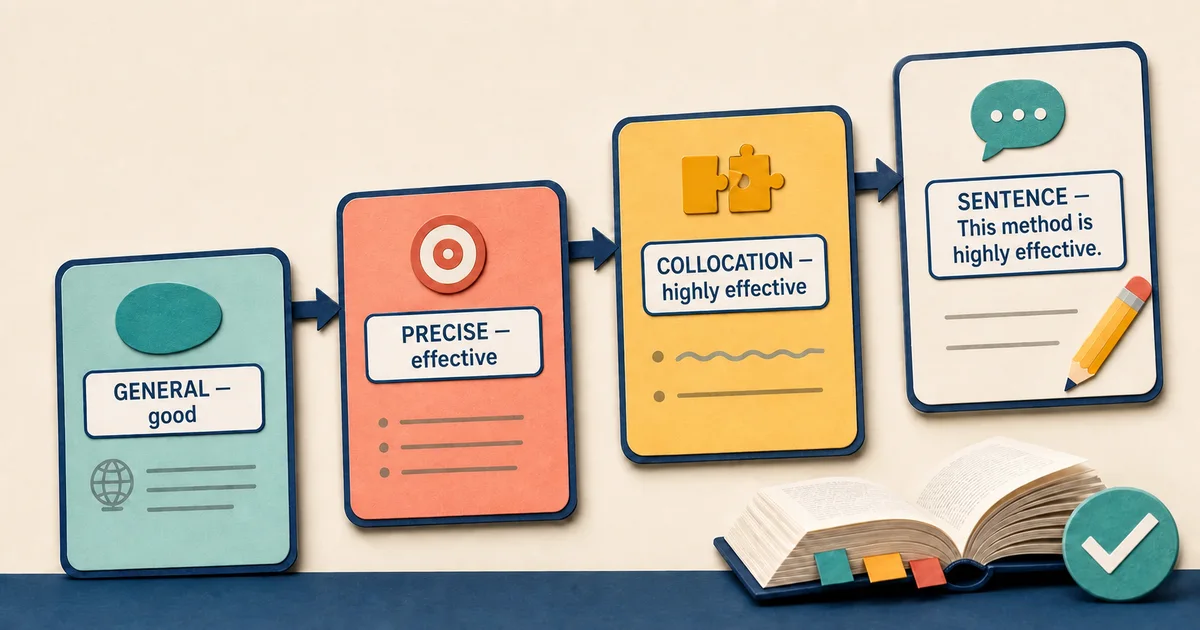
다음 4단계 학습 순환을 시도해 보세요:
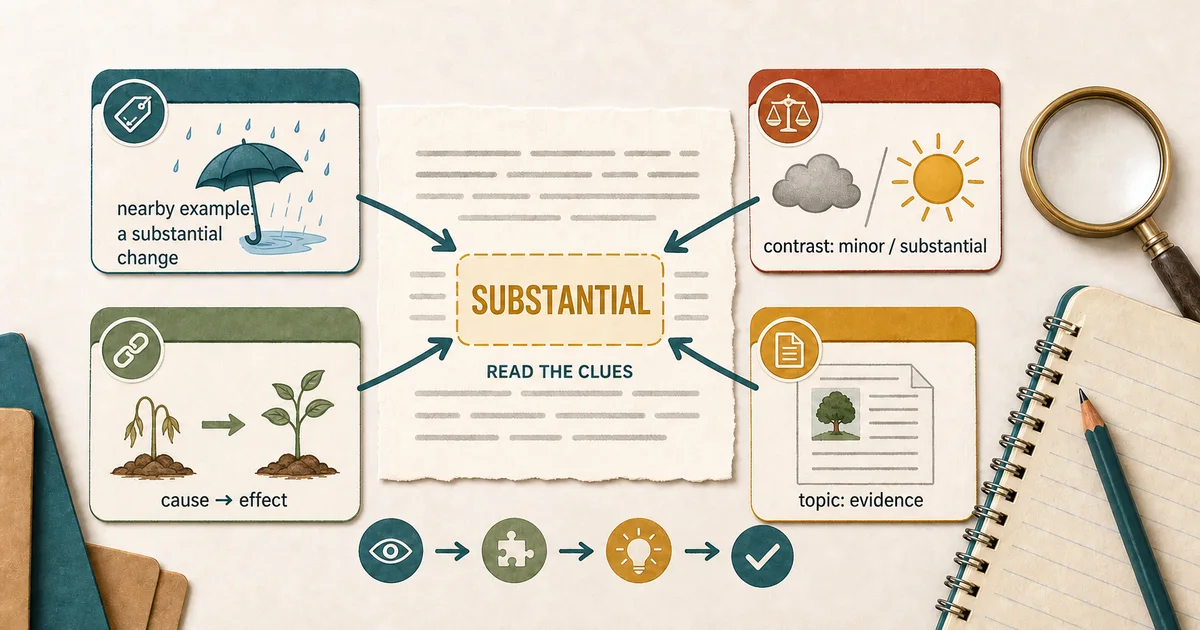
- 문맥 속에서 읽으세요. 해당 단어가 포함된 문장에 밑줄을 긋고, 주변에서 대조 표현, 예시, 정의를 찾아보세요.
- 단어군을 만드세요. Substantial의 경우 substantially와 a substantial increase라는 표현을 함께 기록하세요.
- 표현을 비교하세요. 먼저 기본 문장을 쓴 뒤, 고급 단어가 실제로 의미 차이를 더해 줄 때만 바꾸세요. “The change was big” → “The change was substantial.”
- 다른 날 다시 사용하세요. Linglify에 단어를 추가하고 하루나 이틀 뒤에 새 문장을 만들어 보세요. 자연스럽게 사용할 수 없다면 당분간 읽기 어휘로만 익혀 두세요.
읽기는 낯선 영어 단어를 익히기에 좋은 방법이지만, 긴 정의보다 문맥이 더 중요합니다. 체계적인 고급 어휘 목록을 원한다면 이 가이드와 C1 고급 영어 어휘, 고급 영어 단어를 함께 활용하세요.
연습할 어휘
핵심 단어를 골라 Linglify 단어장에 추가하세요. 카드를 복습한 뒤 실제 계획, 글, 토론, 결정에 관한 문장에 각 단어를 사용해 보세요.
alleviate
동사
-
예문
- Government programs aim to alleviate poverty in rural communities.
- The medication will alleviate pain and reduce inflammation significantly.
ambiguous
형용사
-
예문
- The politician's ambiguous statement confused voters about his actual position.
- The test question was ambiguous and could be interpreted in multiple ways.
articulate
형용사
-
예문
- She's very articulate and can express her thoughts clearly.
- The articulate speaker explained complex ideas in simple terms.
coherent
형용사
-
예문
- After the accident, he wasn't coherent enough to answer police questions.
- The professor gave a coherent explanation of the complex scientific theory.
concede
동사
-
예문
- He had to concede that his opponent made some valid points during the debate.
- The candidate decided to concede defeat after losing the election clearly.
tycoon
형용사
-
예문
- Media tycoon owns newspapers and television stations worldwide.
- Oil tycoon donated millions to educational and charitable causes.
detest
형용사
-
예문
- Many people detest the sound of nails scratching on chalkboard.
- She absolutely detests dishonesty and deception in any form.
portrayal
형용사
-
예문
- Critic praised actor's nuanced portrayal of troubled protagonist.
- Film's portrayal of war emphasizes human cost over glory.
fury
형용사
-
예문
- His fury was evident after hearing the news.
- She lost her fury when she saw the damage.
grumpy
형용사
-
예문
- His grumpy attitude made it hard to work with him.
- She looked grumpy after waking up late.
superficial
형용사
-
예문
- His knowledge of the subject was superficial and incomplete.
- The wound appeared serious but was actually quite superficial.
impeccable
형용사
-
예문
- Hotel provides impeccable service ensuring guest satisfaction and comfort.
- Professional maintains impeccable reputation for honesty and integrity.
precaution
형용사
-
예문
- Take the necessary precautions before starting.
- Wearing a helmet is a safety precaution.
insular
형용사
-
예문
- His insular thinking prevents him from considering alternative perspectives.
- Insular community rarely interacts with outside world effectively.
plausible
형용사
-
예문
- His explanation sounds plausible but lacks supporting evidence.
- Scientists seek plausible theories to explain observed phenomena.
reconstruction
형용사
-
예문
- Historical reconstruction helps us understand the past.
- The reconstruction of the building took two years.
enterprising
형용사
-
예문
- Enterprising entrepreneur identified market gap and created innovative solution.
- Enterprising students organize fundraising events for school improvement projects.
substantial
형용사
-
예문
- Substantial improvement shows in student test scores.
- Substantial investment creates new business opportunities today.
subtle
형용사
-
예문
- Subtle flavor enhances dish without overpowering taste.
- Subtle hint suggests solution without direct statement.
verify
동사
-
예문
- Please verify the information before publishing.
- They need to verify the results of the experiment.
occupant
형용사
-
예문
- Building occupant reported strange noises during night hours.
- Car crash injured both driver and passenger occupants.
tell sb/sth apart
형용사
-
예문
- It's hard to tell the twins apart.
- Can you tell the difference between these two paintings?
다음 단계
- C1 어휘 라이브러리에서 단어 열 개부터 시작하세요.
- 학술 어휘 목록으로 정확한 학술 표현을 익히세요.
- C1 단어를 문장에 자연스럽게 쓸 수 있게 되면 C2 숙련 어휘로 넘어가세요.
- 격식 있는 어휘와 자연스러운 일상 표현의 균형을 위해 자주 쓰는 관용구 20개를 복습하세요.
자주 묻는 질문
낯선 영어 단어란 무엇인가요?
아직 알아보지 못하거나 문맥 속에서 완전히 이해하지 못하는 단어입니다. 고급 학습자에게는 사람들에게 인상을 주려고 쓰는 희귀 단어보다 기사, 보고서, 강의, 업무 토론에서 쓰이는 정확한 표현이 낯선 단어에 해당하는 경우가 많습니다.
모든 대화에서 고급 단어를 써야 하나요?
아닙니다. 상대와 상황에 가장 명확하고 자연스러운 선택일 때 고급 단어를 쓰세요. 짧은 메시지나 편한 대화에서는 쉬운 영어가 더 나은 경우가 많습니다.
일주일에 낯선 단어를 몇 개나 익혀야 하나요?
복습하고 실제로 사용한다면 일주일에 10~20개가 현실적인 목표입니다. 읽으면서 더 많은 단어를 수동적으로 익힐 수 있지만, 실제 어휘로 만들려면 구와 문장을 활용한 반복 연습이 필요합니다.
“Feasible”과 “viable”은 어떻게 다른가요?
Feasible은 지금 실행하기에 가능하고 실용적이라는 뜻입니다. Viable은 시간이 지나도 작동하거나 성공할 수 있다는 뜻입니다. 어떤 계획은 당장 실행 가능(feasible)해도 장기적으로 지속 가능(viable)하지 않을 수 있습니다.
낯선 영어 단어를 어떻게 기억할 수 있나요?
각 단어를 의미 있는 표현, 반대 개념, 개인적인 예문과 연결하세요. 그런 다음 간격 반복으로 복습하고 실제 읽기나 듣기에서 다시 만나 보세요.


