

Colocações Avançadas em Inglês: Combinações de Palavras C1–C2
Colocações avançadas em inglês ajudam a expressar ideias complexas com precisão. No nível C1–C2, a diferença não está simplesmente em conhecer palavras mais difíceis. É saber quais palavras naturalmente andam juntas, quão formais elas soam, e quando são úteis.
Este guia foca em combinações de alto valor para discussões formais, relatórios, escrita acadêmica, comunicação profissional e respostas de exames avançados.
- Nível: C1–C2, com material de extensão para estudantes B2 sólidos
- Foco: argumentos formais, causa e efeito, avaliação, discordância e mudança
- Ideal para: estudantes se preparando para escrita avançada, apresentações ou exames de alto nível
- Regra: escolha a frase que se encaixa na situação e apóie-a com uma ideia clara
O Que Torna uma Colocação Avançada?
Colocações avançadas frequentemente combinam um substantivo abstrato com um verbo ou adjetivo preciso: mitigate the impact, a compelling case ou far-reaching implications. Elas ajudam a expressar ideias de forma concisa. Em vez de escrever “This change will probably affect many parts of society in an important way,” você pode escrever “This change may have far-reaching implications.”
No entanto, avançado não significa “formal em toda situação.” Você pode make a strong case num relatório, mas dizer a um amigo “I have a good reason.” Combine sua linguagem com o público primeiro. Se precisar de uma base nível a nível, comece com o Guia de Colocações em Inglês.
Construindo e Avaliando um Argumento
Estas combinações ajudam a introduzir evidências, fazer uma afirmação e julgar sua força. São úteis em redações, reuniões e conversas analíticas.
| Colocação | Significado | Exemplo |
|---|---|---|
| make a compelling case | dar razões muito persuasivas | The researchers make a compelling case for earlier intervention. |
| substantiate a claim | apoiar uma afirmação com evidências | You must substantiate the claim with reliable data. |
| draw a distinction | mostrar uma diferença importante | The report draws a distinction between cost and value. |
| reach a consensus | chegar a uma decisão compartilhada | The committee failed to reach a consensus. |
| challenge an assumption | questionar uma ideia aceita | The findings challenge the assumption that growth is always positive. |
| a flawed argument | raciocínio com uma fraqueza importante | It is a flawed argument because it ignores the evidence. |
| a coherent framework | um sistema lógico e organizado | The policy needs a coherent framework. |
| mounting evidence | evidências que aumentam constantemente | There is mounting evidence that sleep improves memory. |
Observe a gramática em torno de cada frase. Você substantiate a claim with data, mas make a case for a policy. Registre o padrão completo, incluindo a preposição.
Causa, Mudança e Consequências
Discussões avançadas muitas vezes exigem explicar como um acontecimento leva a outro. Estas expressões são mais precisas do que repetir cause e effect.
| Colocação | Significado | Exemplo |
|---|---|---|
| give rise to | causar algo, geralmente um problema ou questão | The proposal could give rise to legal disputes. |
| have far-reaching implications | afetar muitas áreas de forma importante | Automation may have far-reaching implications for work. |
| bring about a change | causar uma mudança | Public pressure brought about a change in the law. |
| mitigate the impact | tornar um efeito negativo menos grave | New shelters can mitigate the impact of extreme weather. |
| exacerbate the problem | agravar um problema | Delays may exacerbate the problem. |
| undergo a transformation | passar por uma mudança importante | The industry has undergone a transformation. |
| a marked decline | uma queda claramente perceptível | The survey shows a marked decline in trust. |
| sweeping changes | grandes mudanças que afetam muitas coisas | The reform introduced sweeping changes to the system. |
Use a intensidade da frase com honestidade. Far-reaching e sweeping descrevem efeitos importantes; não são adequados para um pequeno inconveniente.

Posição, Conflito e Prioridade
Quando ideias competem, o inglês avançado oferece maneiras concisas de mostrar concordância, contraste, prioridades e relações.
| Colocação | Significado | Exemplo |
|---|---|---|
| take precedence over | ser mais importante do que | Safety should take precedence over speed. |
| be at odds with | discordar de ou entrar em conflito com | The decision is at odds with the stated policy. |
| strike a balance | encontrar uma posição razoável no meio | Schools must strike a balance between freedom and support. |
| a vested interest | uma razão pessoal para querer um resultado | The company has a vested interest in the outcome. |
| a contentious issue | um tema que causa forte desacordo | Tax policy remains a contentious issue. |
| mutually exclusive | incapazes de existir juntos | The two options are not mutually exclusive. |
| inextricably linked | tão intimamente conectados que não podem se separar | Poverty and health are inextricably linked. |
| a stark contrast | uma diferença muito clara | There is a stark contrast between the two regions. |
Essas expressões são poderosas porque nomeiam a relação entre as ideias. Antes de usar uma delas, pergunte-se: há mesmo um conflito, uma prioridade ou um contraste? A resposta ajuda a escolher a colocação certa.
Avaliação e Resposta Formal
Em relatórios e debates formais, muitas vezes é preciso avaliar um plano, descrever uma reação ou declarar claramente uma posição.
| Colocação | Significado | Exemplo |
|---|---|---|
| categorically deny | negar completamente e sem dúvida | The minister categorically denied the allegation. |
| flatly refuse | recusar firme e diretamente | The landlord flatly refused to negotiate. |
| fall short of expectations | ser menos bom do que o esperado | The results fell short of expectations. |
| prove counterproductive | ter o efeito oposto ao pretendido | A strict ban may prove counterproductive. |
| wholly inadequate | completamente insuficiente | The funding is wholly inadequate. |
| a viable solution | uma solução prática que pode funcionar | We need a viable solution before winter. |
| a resounding success | um sucesso muito claro e completo | The campaign was a resounding success. |
| warrant attention | merecer consideração cuidadosa | The trend warrants attention from policymakers. |
Evite uma expressão dramática quando uma neutra for suficiente. Wholly inadequate é muito mais forte do que not enough. Use-a quando as evidências sustentarem claramente essa avaliação.
Atualize uma Frase Básica Sem Perder Clareza
O objetivo não é substituir todas as palavras comuns. Aprimore a parte que transmite a ideia principal.
| Versão básica | Versão precisa |
|---|---|
| This could cause more problems. | This could give rise to further concerns. |
| The policy has big effects. | The policy may have far-reaching implications. |
| We need to make the bad effect smaller. | We need to mitigate the adverse impact. |
| The two things are very different. | There is a stark contrast between the two. |
| The plan is not good enough. | The plan falls short of the required standard. |
Leia cada frase aprimorada em voz alta. Se ainda não conseguir explicá-la em linguagem mais simples, não a use. Vocabulário ativo é aquele que você consegue adaptar, não apenas copiar.
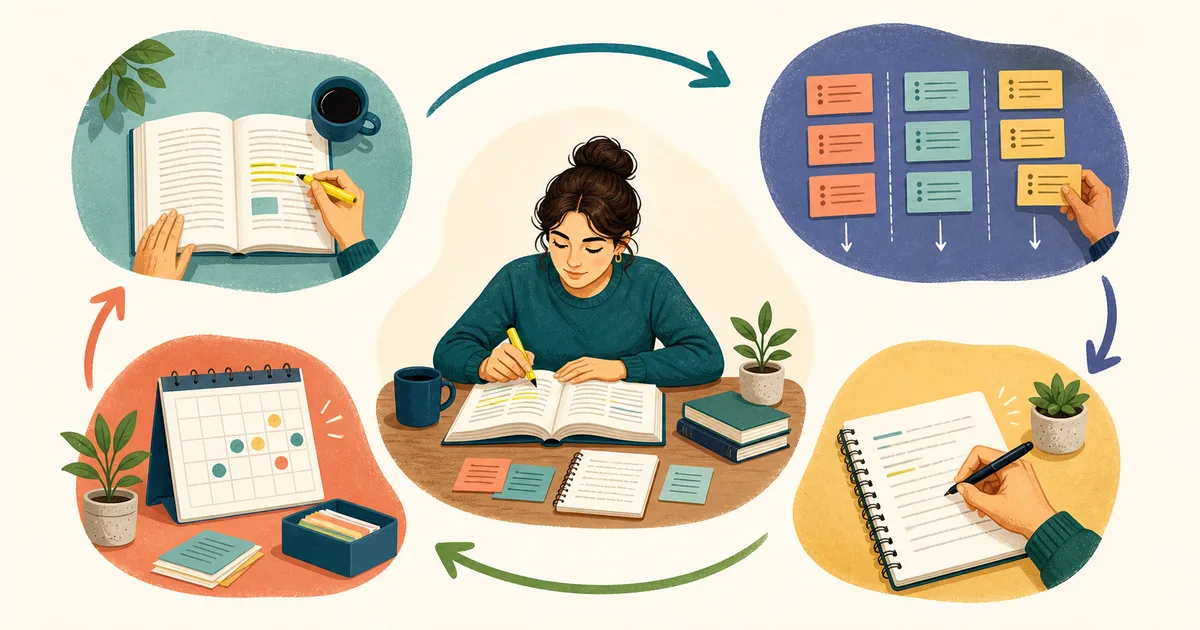
Uma Rotina Confiável de Prática para Colocações C1–C2
- Colete expressões em materiais avançados reais. Escolha um artigo, uma palestra ou um relatório e salve apenas cinco combinações úteis.
- Registre o contexto. Anote se a fonte é formal, neutra, acadêmica ou coloquial.
- Crie uma variação controlada. Mude o tema, mas mantenha a gramática: “The proposal may give rise to privacy concerns.”
- Use um contraste. Coloque duas expressões na mesma frase: “Speed should not take precedence over safety.”
- Revise depois de um intervalo. Cubra a expressão e tente reconstruí-la a partir do significado e da situação.
Vocabulário para Praticar
Salve estas palavras úteis no Linglify e combine-as com os substantivos, verbos e situações deste guia. Revise-as com repetição espaçada e crie seus próprios exemplos formais e neutros.
adequate
adjetivo
adequado
Exemplos
- Students need adequate time to prepare for their final examinations properly.
- The hotel room was small but adequate for our short weekend trip.
advance
verbo
avançar
Exemplos
- Technology continues to advance at an incredible rate every year.
- The army decided to advance toward the enemy position at dawn.
adverse
adjetivo
adverso
Exemplos
- Adverse weather conditions forced the pilot to cancel the flight immediately.
- The medication may have adverse effects on some patients with allergies.
coherent
adjetivo
coerente
Exemplos
- After the accident, he wasn't coherent enough to answer police questions.
- The professor gave a coherent explanation of the complex scientific theory.
comprehensive
adjetivo
abrangente, total
Exemplos
- Students need comprehensive insurance coverage while studying abroad.
- The comprehensive report covers all aspects of the company's financial performance.
contemporary
substantivo
pessoa moderna, artista
controversy
substantivo
polêmica, discussão
deliberate
adjetivo
deliberado, intencional
Exemplos
- He made a deliberate choice to study medicine instead of law.
- The damage to the car was deliberate, not accidental as claimed.
dilemma
substantivo
dilema, enigma
Exemplos
- Parents face the dilemma of balancing work responsibilities with family time.
- The ethical dilemma required careful consideration of all possible consequences.
dimension
substantivo
dimensão, medida
Exemplos
- The furniture won't fit because we misjudged the room's dimensions.
- The social dimension of the problem requires community involvement and support.
dynamic
adjetivo
dinâmico, ativo, enérgico
Exemplos
- Technology companies operate in a dynamic environment of constant change.
- The dynamic leader inspired her team to achieve extraordinary results.
enhance
verbo
melhorar, aprimorar
Exemplos
- New software will enhance the computer's performance and processing speed.
- Regular exercise can enhance both physical health and mental wellbeing.
entrepreneur
substantivo
empreendedor, empresário, inovador
Exemplos
- Successful entrepreneurs take calculated risks to achieve their business goals.
- The young entrepreneur started a successful technology company from scratch.
evaluate
verbo
avaliar, julgar
Exemplos
- Companies evaluate job candidates based on experience, skills, and personality.
- Teachers evaluate student progress through tests, projects, and classroom participation.
implication
substantivo
implicação, consequência
Exemplos
- Scientists are studying the implications of climate change for future generations.
- The implication of his statement was that he disagreed with the policy.
inevitable
adjetivo
inevitável
Exemplos
- Change is inevitable in life, and we must learn to adapt.
- The inevitable result of poor planning is confusion and failure.
innovation
substantivo
inovação, novidade
Exemplos
- Technological innovation has transformed the way we communicate and work.
- The company's latest innovation will revolutionize the healthcare industry.
perspective
substantivo
perspectiva
Exemplos
- Different perspective helps solve complex problems creatively.
- Historical perspective reveals patterns in human behavior.
phenomenon
substantivo
fenômeno, acontecimento
Exemplos
- Aurora borealis is beautiful natural phenomenon.
- Social media phenomenon changes how people communicate.
revolution
substantivo
revolução, levante
Exemplos
- Digital revolution changes how people communicate and.
- Industrial revolution transformed society and economy completely.
sustainable
adjetivo
sustentável, viável, ecológico
Exemplos
- Company implements sustainable business model for long-term success.
- Sustainable farming practices protect soil and water resources.
downside
substantivo
desvantagem, ponto negativo, lado ruim
Exemplos
- One downside of the plan is the cost.
- The downside is that it takes more time.
immune system
substantivo
sistema imunológico, defesas, imunidade
Exemplos
- A healthy immune system helps fight off infections.
- Stress can weaken your immune system.
O Que Fazer a Seguir
- Pratique vocabulário neste nível na biblioteca C1 ou biblioteca C2.
- Revise o guia de colocações em inglês nível a nível se alguma frase parecer muito formal ou desconhecida.
- Se estiver se preparando para um exame, use Colocações para PTE e IELTS para praticar combinações prontas para o exame.
- Adicione cinco expressões ao Linglify e amanhã escreva um argumento conciso usando duas delas.
Perguntas Frequentes
As colocações C1 e C2 são necessárias para o inglês fluente?
Não são necessárias para toda conversa diária, mas dão precisão quando você discute tópicos complexos, escreve textos formais ou apresenta um argumento. A fluência também depende de escolher uma expressão que soe natural na situação.
Como posso saber se uma colocação é muito formal?
Observe a fonte e o público. Categorically deny é comum em relatórios e notícias, enquanto say no clearly é mais natural na fala casual. Anote o registro junto com cada expressão nova.
Devo usar colocações avançadas em todo ensaio do IELTS?
Não. Use-as apenas onde expressam seu significado com precisão e onde você consegue controlar a gramática. Uma escrita clara e relevante, com algumas expressões avançadas naturais, é mais segura do que uma complexidade forçada.
Qual é a maneira mais rápida de memorizar combinações avançadas de palavras?
Aprenda cada expressão em uma frase significativa e depois crie duas variações sobre temas diferentes. A repetição espaçada no Linglify ajuda a revisar a expressão, mas são os seus próprios exemplos que permitem usá-la com flexibilidade.