TAKEを使う句動詞:意味・例文・練習
take は簡単な動詞ですが、off、up、over、in のような短い語が付くと意味が大きく変わります。Take off は「服を脱ぐ」「飛行機が離陸する」「急に成功する」を意味することがあります。個々の語は簡単でも、組み合わせとして学ぶ必要があります。
TAKEを使う句動詞は、日常会話、仕事のやり取り、映画、ニュースに頻繁に出てきます。このガイドでは、特に役立つ句動詞を意味ごとにまとめ、自然な使い方を示します。take と訳語を別々に覚えるのではなく、例文と一緒に一つのフレーズとして覚えましょう。
TAKEの句動詞が難しい理由
一つの句動詞に複数の意味があることがあり、語順も重要です。例えば次の通りです。
Take off your jacket.
Take your jacket off.
Take it off.
三つとも「それを脱ぐ」という意味ですが、it のような代名詞では代名詞を中央に置きます。take it off であり、take off it とは言いません。
すべての組み合わせを覚える必要はありません。まず、よく聞き、実際に使う句動詞から始めて、実際の文脈で気付くようにしましょう。全体像は英語句動詞の完全ガイドで確認でき、句動詞ライブラリでも練習できます。
TAKE OFF:よく使う三つの意味
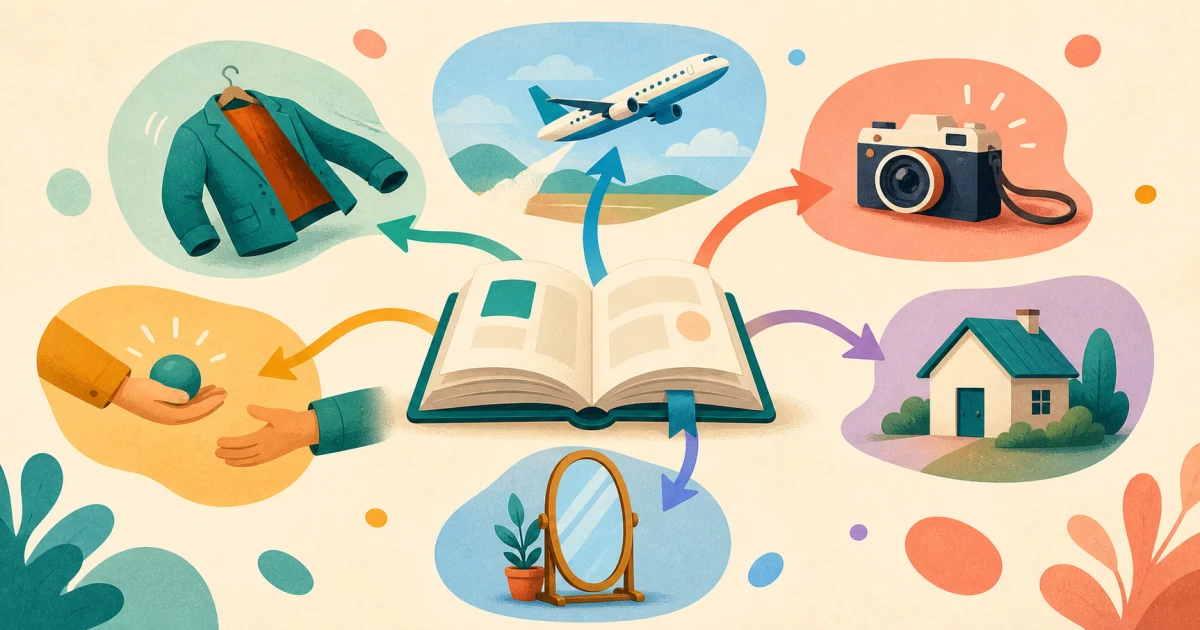
1. 服やアクセサリーを脱ぐ・外す
この意味では句動詞を分離できます。
Take off your coat before you sit down.
It is warm in here, so I took my scarf off.
Please take them off.
2. 離陸する
飛行機などの航空機について使います。この意味では分離しません。
Our flight took off on time.
The helicopter took off from the hospital roof.
3. 急に成功する・人気が出る
Her new podcast really took off this year.
Online sales took off after the campaign.
TAKE UP と TAKE ON:新しいことを始める
TAKE UP
Take up は、趣味、活動、習慣を始めるという意味です。また、時間や場所を占める意味もあります。
He took up swimming last winter.
I want to take up photography.
This sofa takes up too much room.
The explanation took up half the meeting.
TAKE ON
Take on は、仕事、責任、挑戦、新しい役割を引き受けるという意味でよく使います。人を雇うという意味もあります。
She took on too many projects at once.
The company is taking on two new designers.
I am ready to take on a bigger challenge.
覚え方: take up は始める・占める、take on は引き受ける・加える、というイメージです。
TAKE OVER、TAKE BACK、TAKE DOWN
これらは仕事、旅行、日常会話で役立つ句動詞です。
| 句動詞 | 主な意味 | 例 |
|---|---|---|
| take over | 仕事、活動、会社の主導権を握る | Mina will take over the presentation after lunch. |
| take back | 店や元の場所に物を返す | I need to take these shoes back; they do not fit. |
| take back | 発言が間違いだったと認める | I take back what I said yesterday. |
| take down | 壁や設置場所から取り外す | They took down the old sign. |
| take down | 情報を書き留める | Can you take down her phone number? |
| take away | 何かを取り除く | The staff took away the empty plates. |
| takeaway | 最も重要な学び、要点 | My main takeaway is that we need more time. |
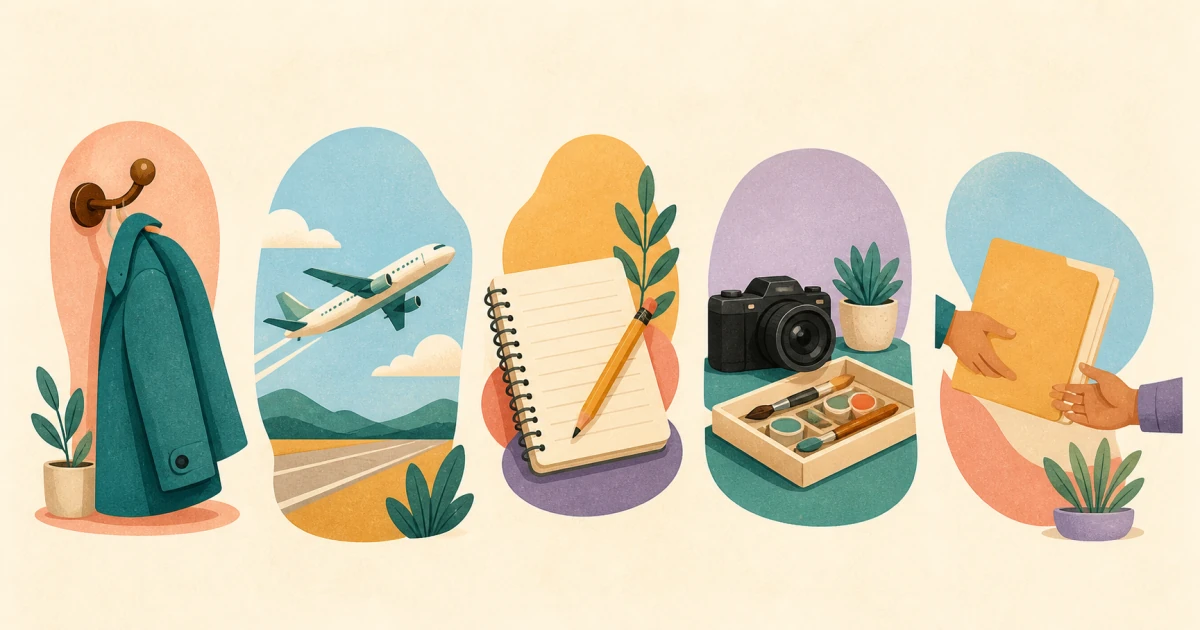
TAKE IN、TAKE OUT、TAKE APART
TAKE IN
この句動詞には複数のよく使う意味があります。文脈が重要です。
| 意味 | 例 |
|---|---|
| 情報を理解する | It was a lot to take in at first. |
| 人をだます | I was completely taken in by the advertisement. |
| 人や動物を家に受け入れる | They took in a stray cat. |
| 服を詰める | The tailor took in the waist of the dress. |
TAKE OUT
| 意味 | 例 |
|---|---|
| 物を外へ出す・取り除く | Take the rubbish out, please. |
| 人を食事などに誘う | He took his sister out for dinner. |
| 持ち帰りの食事 | We ordered takeout after work. |
TAKE APART
Take apart は、修理、点検、仕組みの理解のために、物を部品に分解するときに使います。
The technician took the printer apart to find the problem.
Do not take the toy apart unless you can put it back together.
TAKE AFTER、TAKE TO、TAKE THROUGH
| 句動詞 | 主な意味 | 例 |
|---|---|---|
| take after | 年上の家族に似ている | Lea takes after her father: both are calm and practical. |
| take to | 人や物を好きになり始める | I did not take to the new software immediately. |
| take through | 手順を案内する | The trainer took us through the safety procedure. |
| take for | 人や物を特定のものだと思う | I took him for a local guide. |
| take upon oneself | 頼まれずに責任を引き受ける | She took it upon herself to organise the event. |
分離できるTAKEの句動詞とできない句動詞
この点を知ると多くの間違いを防げます。
| 種類 | 句動詞 | 代名詞を使う正しい形 |
|---|---|---|
| 分離できる | take off, take up, take back, take down, take out, take apart | take it off, take them back |
| 通常は分離しない | take after, take to, take over, take in | take after her, take to it |
意味によって振る舞いが異なる場合もあるため、一つの規則だけを信じず、例文全体を学びましょう。例えば take in a cat では目的語を句の後に置きますが、take in the dress は take the dress in とも言えます。
TAKEの句動詞の学び方
- イメージでグループ化する。 Off は取り外しや出発、over は支配、up は開始や占有を連想させます。
- 文の型を覚える。 take off = 脱ぐ だけでなく、take it off として覚えます。
- 目的語に注目する。 人は服を脱ぎ、飛行機は離陸し、新しい事業は急成長します。
- 自分の例文を作る。 I want to take up… を自分に当てはめて最後まで言うと覚えやすくなります。
- 対比を復習する。 take in(理解する)と take over(引き継ぐ)、take back(返す)と take away(取り除く)を比べます。
出会った表現をLinglifyに保存し、一日後、さらに一週間後に戻りましょう。一度に二十個の句動詞を覚えようとするより、短く繰り返し触れる方が効果的です。このクラスターはGETを使う句動詞とMAKEを使う句動詞で広げられます。
語彙スニペット:日常の句動詞を練習する
これらの語をLinglifyの辞書に追加してください。例文を読み、少なくとも二つの句動詞を自然に使った短い会話を作ってみましょう。
boom
名詞
急増, ブーム, 爆発
例
- The boom of thunder echoed across the valley.
- The technology boom created many new millionaires.
cooperate
動詞
協力する, 協働する
evaluate
動詞
評価する, 査定する
例
- Companies evaluate job candidates based on experience, skills, and personality.
- Teachers evaluate student progress through tests, projects, and classroom participation.
graduate
動詞
卒業する
例
- She will graduate from university next year with a degree in engineering.
- Students must complete all requirements before they can graduate from high school.
horizon
名詞
地平線
例
- The sun disappeared behind the horizon as evening approached.
- Traveling broadens your horizon and exposes you to new cultures.
indispensable
形容詞
不可欠な
例
- Clean water is indispensable for human survival and good health.
- Her experience and skills make her indispensable to the research team.
jury
名詞
陪審団, 陪審
例
- The jury deliberated for several hours before reaching a verdict.
- The talent show jury consisted of professional musicians and entertainers.
lifelong
形容詞
一生の, 生涯の
例
- Learning is a lifelong process that never truly ends.
- Their lifelong friendship began during elementary school years.
motivated
形容詞
やる気のある
例
- Motivated employee seeks additional responsibilities and challenges at work.
- Success requires being motivated even when facing difficult obstacles.
normally
副詞
通常は, 普通は, ふつうは
例
- Heart normally beats between sixty and hundred times per minute.
- Students normally arrive at school before morning bell rings.
off
副詞
離れて, 切れて, 休みの
例
- Please turn off the lights before leaving the room.
- The dog ran off into the forest chasing wild rabbits.
prejudice
名詞
偏見, 先入観, 差別
例
- Education helps overcome prejudice and promotes understanding.
- Racial prejudice damages communities and individuals alike.
resolve
動詞
解決する, 決意する
例
- Mediator helps parties resolve dispute through negotiation.
- Technical team will resolve software problems quickly.
stress
動詞
強調する, 緊張させる
例
- Heavy workload may stress employees beyond limits.
- Teacher will stress importance of homework completion.
total
形容詞
全体の, 総合的な, 完全な
例
- Total cost includes all fees and expenses.
- Total silence fills room during meditation session.
tragedy
名詞
悲劇
例
- Natural tragedy affects thousands of innocent people.
- Personal tragedy changes person's life perspective completely.
union
名詞
連合, 結合, 協会
例
- Labor union protects worker rights and interests.
- Marriage union joins two people in partnership.
voyage
名詞
航海, 旅行
例
- Space exploration represents humanity's greatest voyage into the unknown.
- The ocean voyage from Europe to America took several weeks in the past.
candidate
名詞
候補者, 志願者
例
- Each presidential candidate presented their policy plans to voters.
- The job candidate impressed the interview panel with her experience.
discourage
動詞
落胆させる, 思いとどまらせる, 意欲をなくさせる
例
- Don't let one failure discourage you from pursuing your dreams.
- High prices discourage many people from buying organic food products.
donate
動詞
寄付する
例
- Many people donate money to charities that help homeless individuals.
- She decided to donate blood to help patients in emergency situations.
firmly
副詞
しっかりと, 堅く
例
- Hold the rope firmly while climbing down the steep mountain slope.
- The manager firmly believed in treating all employees with respect.
guide
動詞
案内する
例
- Parents should guide their children to make responsible decisions.
- The experienced hiker will guide the group through the mountain trail safely.
humorous
形容詞
ユーモラスな, 面白い, 滑稽な
例
- She writes humorous articles about everyday life and family experiences.
- The humorous speech made everyone laugh and lightened the serious mood.
admission
名詞
入場, 入学, 認めること
例
- Her admission to the prestigious medical school was the result of hard work.
- The museum offers free admission on the first Sunday of every month.
次にすること
- 句動詞ライブラリで一つのまとまったセットを練習する。
- これらの型をGETを使う句動詞と比べる。
- もう一つの便利な動詞はMAKEを使う句動詞で学ぶ。
- 例文をより詳しくするために英語の副詞をカテゴリー別に学ぶガイドを復習する。
FAQ
TAKEを使う最もよく出る句動詞は何ですか?
最初に学ぶと役立つのは take off、take up、take over、take in、take back、take out、take down、take after です。日常、旅行、学習、仕事の多くの場面で出てきます。
TAKE OFFは分離できますか?
「服を脱ぐ」という意味では分離できます。take off your shoes と take your shoes off はどちらも正しい形です。代名詞なら take them off と言います。「飛行機が離陸する」「成功する」という意味では分離しません。
TAKE UPとTAKE ONの違いは何ですか?
Take up は通常、趣味を始めることや、時間・場所を占めることです。Take on は責任、挑戦、役割、新しい従業員を引き受けることを表します。後に続く目的語で意味が明確になります。
句動詞は一度にいくつ学ぶべきですか?
自分の生活に合う五〜八個から始め、数日間、短い文で練習してください。最初のグループを訳さずに認識し使えるようになってから、新しいものを加えましょう。